Does Ginger Make You Sleepy? The Surprising Truth.

Do Ginger Help in Sleep

Ginger doesn’t make you sleepy like a sleeping pill, but it can help your body relax by easing digestion, reducing stress, and lowering inflammation. These gentle effects may help you fall asleep more easily, especially if discomfort keeps you up at night. Ginger and Sleep: What’s the Connection? Many people ask, “Can ginger help me … Read more

How Melatonin Works: 5 Science-Backed Ways It Promotes Better Sleep

How melatonin helps you sleep

Melatonin, the body’s natural sleep hormone, regulates your circadian rhythm by signaling bedtime. Discover how melatonin-rich foods like tart cherries and pistachios boost sleep quality, reduce insomnia, and work with tryptophan and serotonin to promote deeper, restorative rest. Melatonin: Your Body’s Natural Sleep Coach We’ve all been there—staring at the ceiling at 2 a.m., mentally calculating how many hours of sleep we’ll get if we fall … Read more

Magnesium in Foods: Your 9 Natural Ticket to Better Sleep (And How to Unlock It)

How magnesium helps you sleep

Discover how magnesium-rich foods like spinach, almonds, and dark chocolate improve sleep quality by boosting melatonin, calming the nervous system, and easing muscle tension. Explore top dietary sources, vegan options, and supplements and learn cooking tips for bioavailability and natural sleep disorder relief. Why Counting Sheep Doesn’t Work (But Magnesium Might) We’ve all been there: staring at the ceiling at 2 AM, brain buzzing like an … Read more

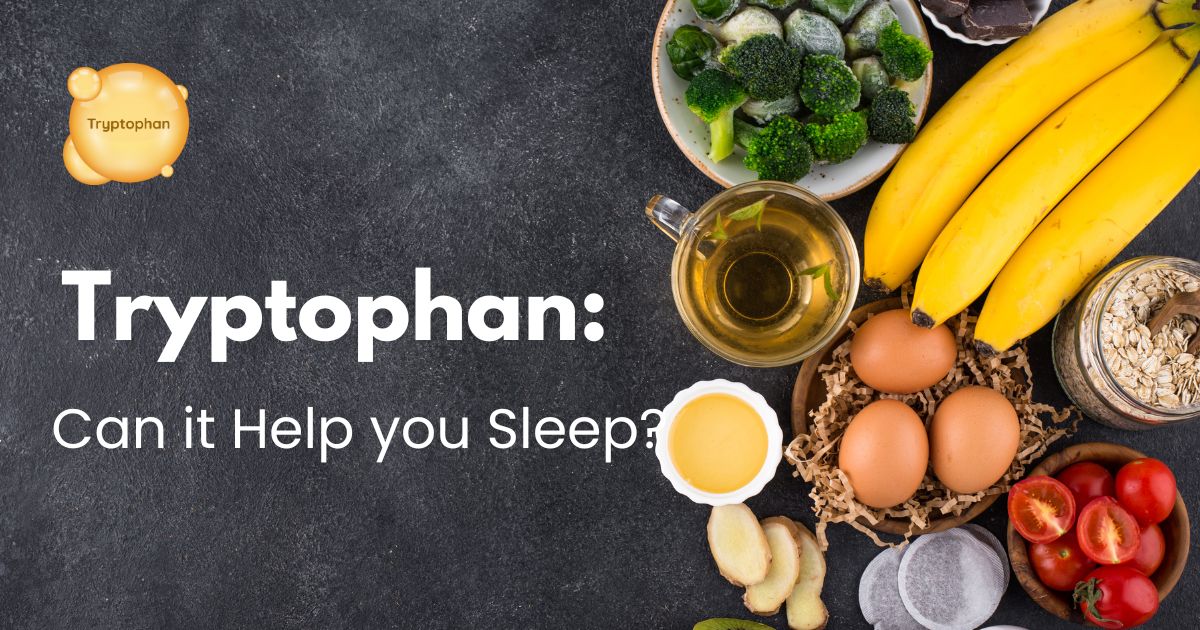
Sleep Better Tonight: How Tryptophan in Foods Can Help

Tryptophan, an essential amino acid found in foods like turkey, dairy, nuts, and seeds, enhances serotonin and melatonin production, improving sleep quality. Consuming tryptophan-rich foods one to two hours before bedtime can help facilitate sleep onset and reduce insomnia symptoms. Pairing it with complex carbohydrates like whole grains further boosts its effectiveness.