12 Melatonin Myths vs Facts: What Science Really Says
Melatonin-Myths-vs-Facts

Melatonin is surrounded by common myths. It is not simply a sleeping pill; it mainly helps regulate circadian rhythm and sleep timing. More melatonin does not necessarily mean better sleep, and it can cause side effects or interact with medicines. Although naturally produced by the body, melatonin is not completely risk-free. Its benefits depend on … Read more
11 Melatonin Benefits Beyond Sleep: What Does the Science Really Say?

Melatonin-Benefits-Beyond-Sleep

There are many Melatonin benefits beyond sleep. Melatonin is usually associated with sleep, jet lag, and the body’s internal clock. But scientists are studying this hormone for much more than sleep. Research has explored its possible effects on oxidative stress, inflammation, immune signaling, brain health, mitochondria, cardiovascular function, metabolism, pain and reproductive health. Some of … Read more

How Your Body Produces Melatonin Naturally.

How-Your-Body-Produces-Melatonin-Naturally

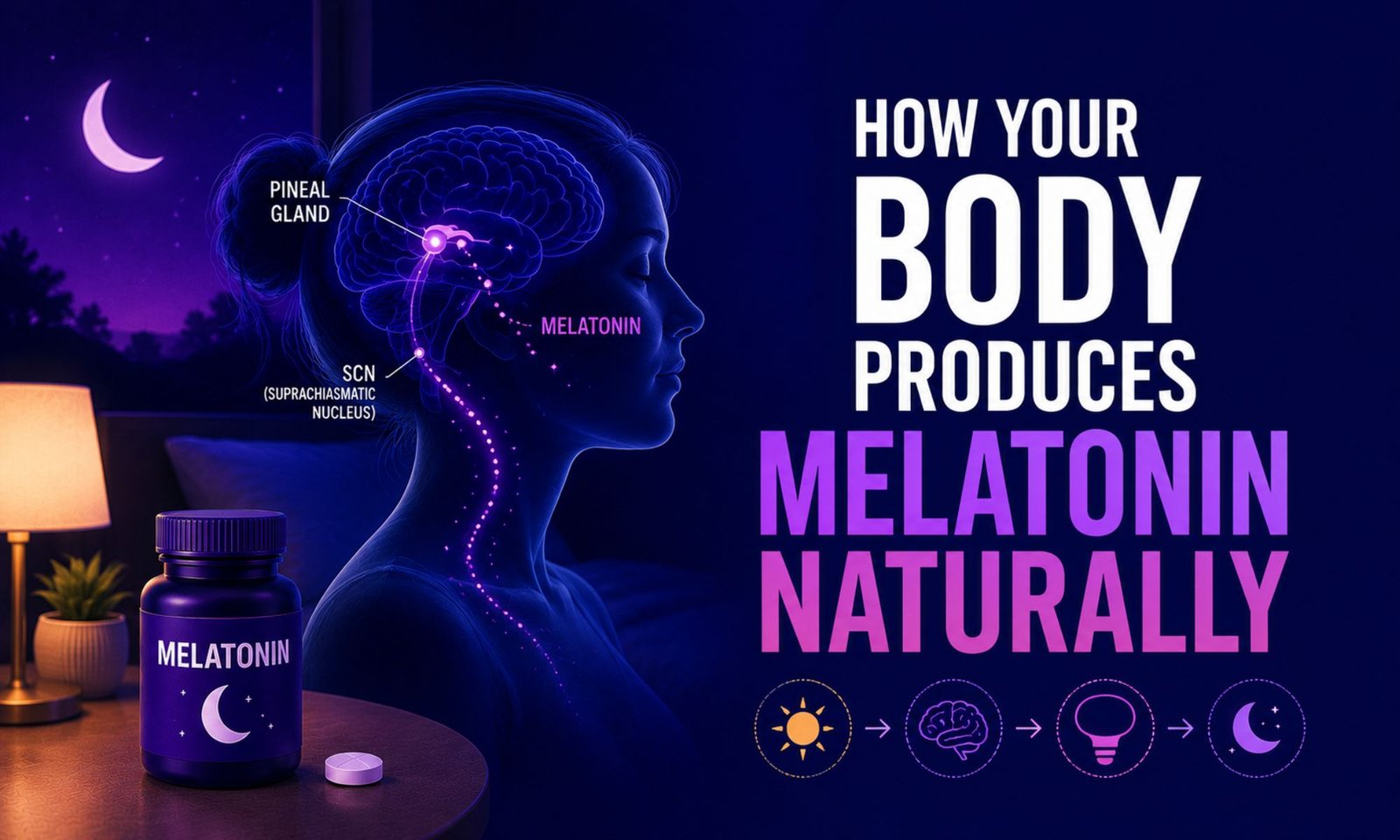
Your body produces melatonin naturally through a series of biochemical steps that begin with the amino acid tryptophan. Tryptophan is converted to 5-HTP, then serotonin, N-acetylserotonin, and finally melatonin, mainly in the pineal gland. Your circadian clock and the light-dark cycle determine when this pathway becomes much more active, which is why melatonin normally rises … Read more

Blue Light and Melatonin: How Evening Light Can Affect Your Sleep

Blue-Light-and-Melatonin

Blue light and melatonin will affect your sleep, particularly when you are exposed to bright light in the evening. Light entering your eyes sends signals to the circadian clock, which helps determine when melatonin should rise and fall. Blue wavelengths are especially effective at influencing this system, but brightness, timing, duration, and individual sensitivity also … Read more

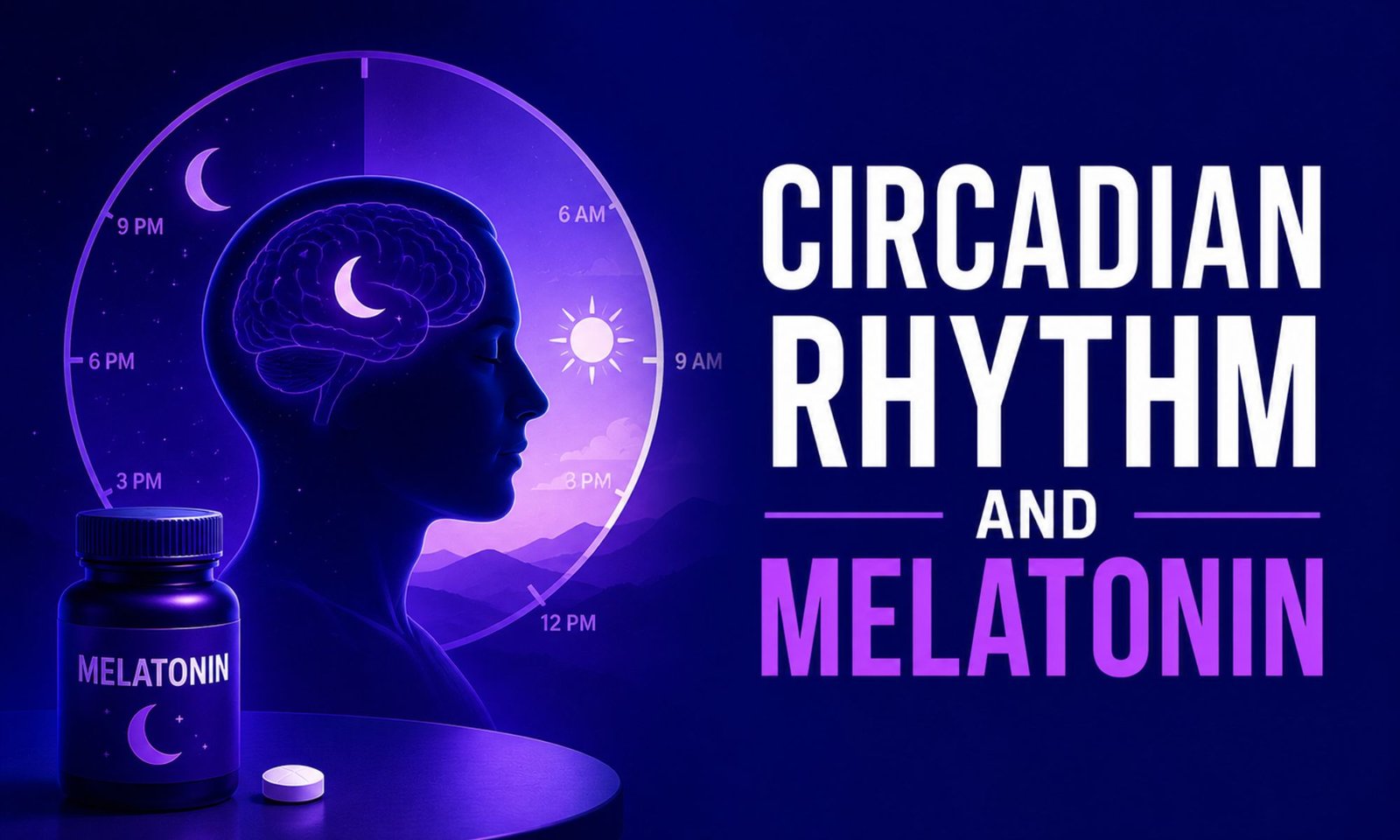
Circadian Rhythm and Melatonin: How Your Body Clock Controls Sleep.

Circadian-Rhythm-and-Melatonin

Circadian rhythm and melatonin are closely connected and work together to regulate sleep timing. Your circadian rhythm acts as the body’s internal clock, while melatonin signals that it is biological night. Light exposure helps set this clock and influences when melatonin rises and falls, helping your body know when it is time to sleep and … Read more