Calcium and Sleep: What the Evidence Shows
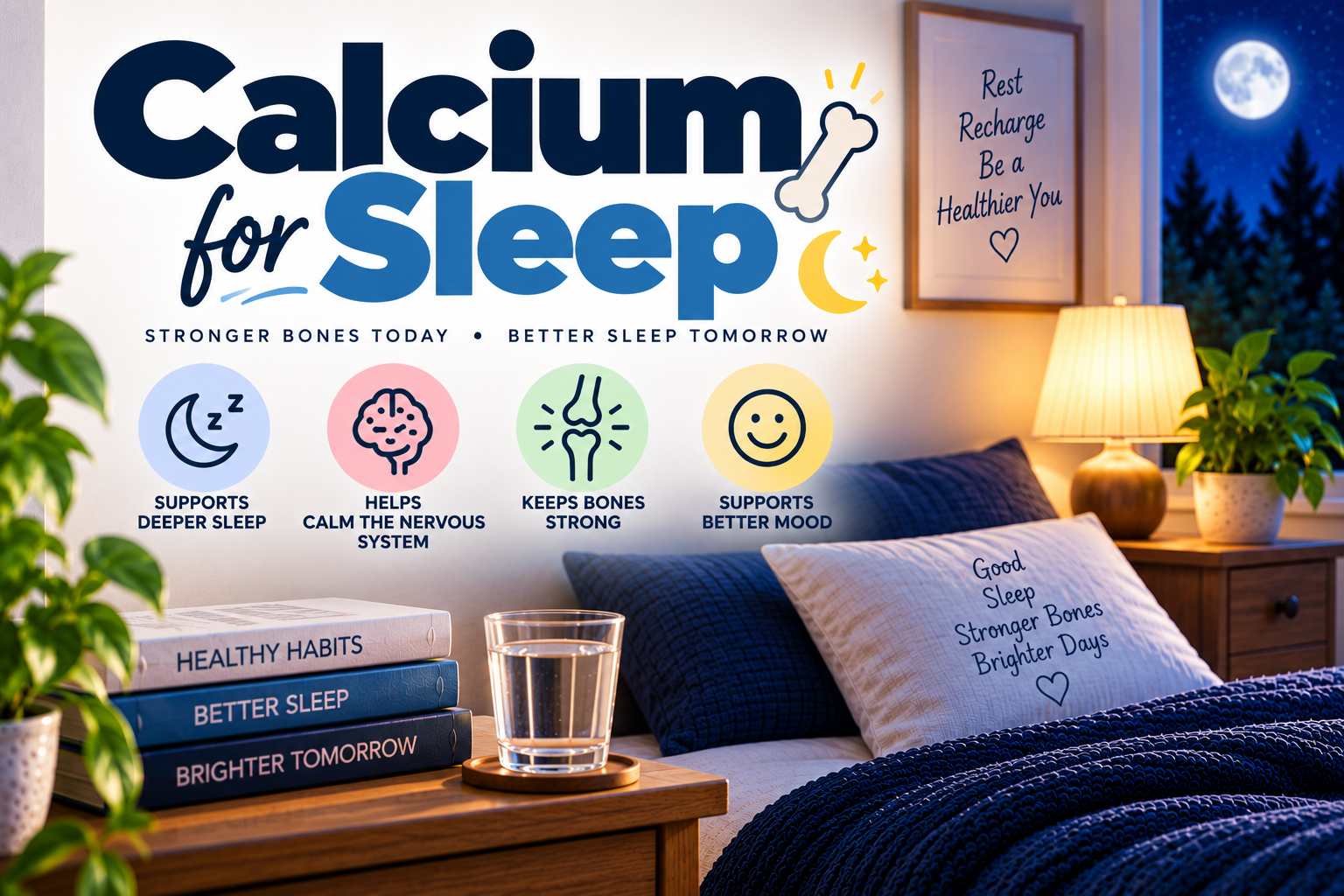
Calcium and sleep may be connected through the brain’s sleep-regulating pathways, muscle and nerve function, and the body’s broader circadian biology. Read More..
Calcium and sleep may be connected through the brain’s sleep-regulating pathways, muscle and nerve function, and the body’s broader circadian biology. Read More..
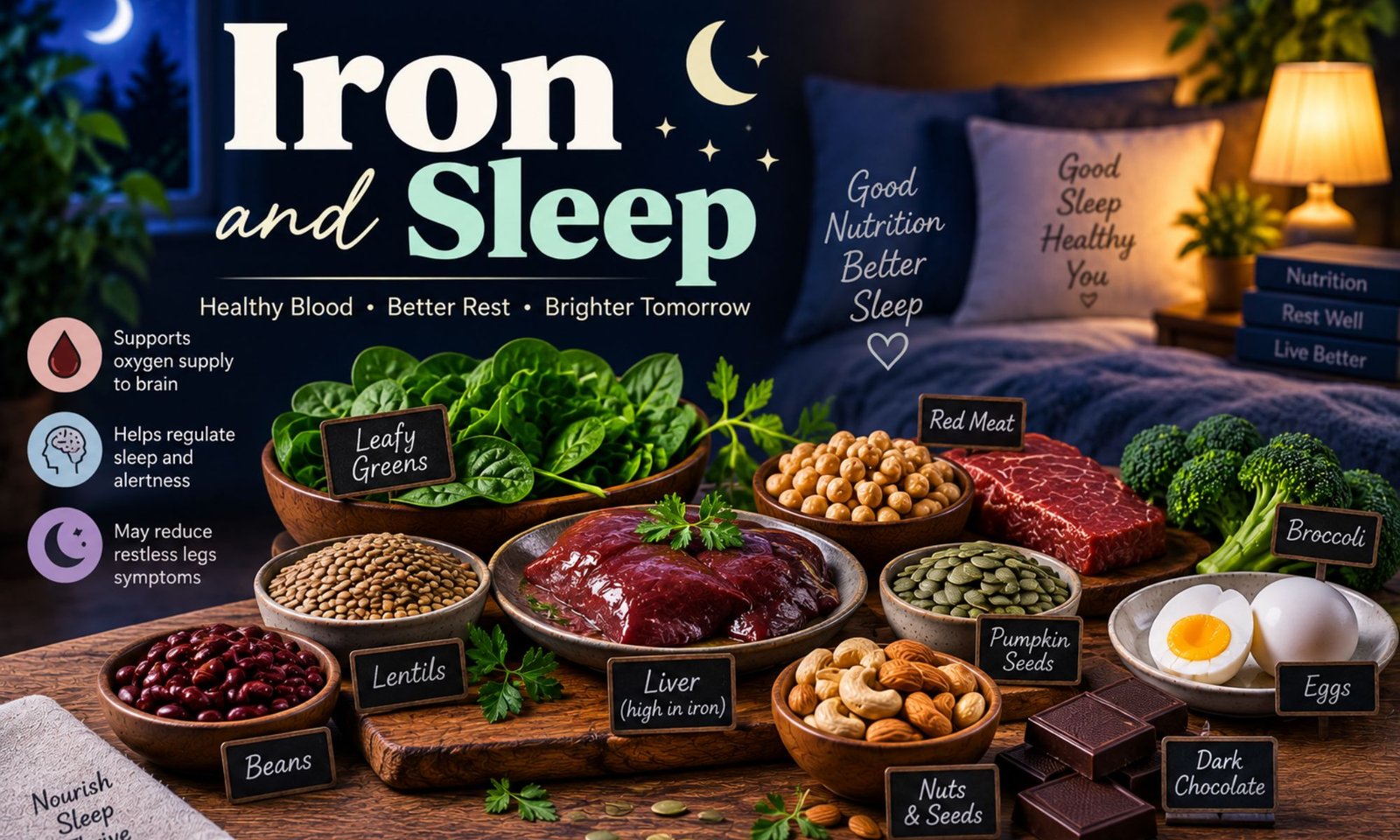
Iron and sleep are connected in several ways, particularly through restless legs syndrome (RLS). Low iron can affect sleep when inadequate iron status contributes to RLS, fatigue or other problems that disturb nighttime rest. However, iron is not a general sleep aid, and taking an iron supplement without a specific need is not recommended. Sleep … Read more

Will Nutrients for sleep help you? Yes, nutrients can support the biological processes involved in healthy sleep, but no single nutrient guarantees better sleep. Magnesium, iron, zinc, tryptophan, glycine and omega-3 fatty acids are among the nutrients studied for their connection with sleep, while melatonin is a hormone that helps regulate sleep-wake timing. Meeting nutritional … Read more
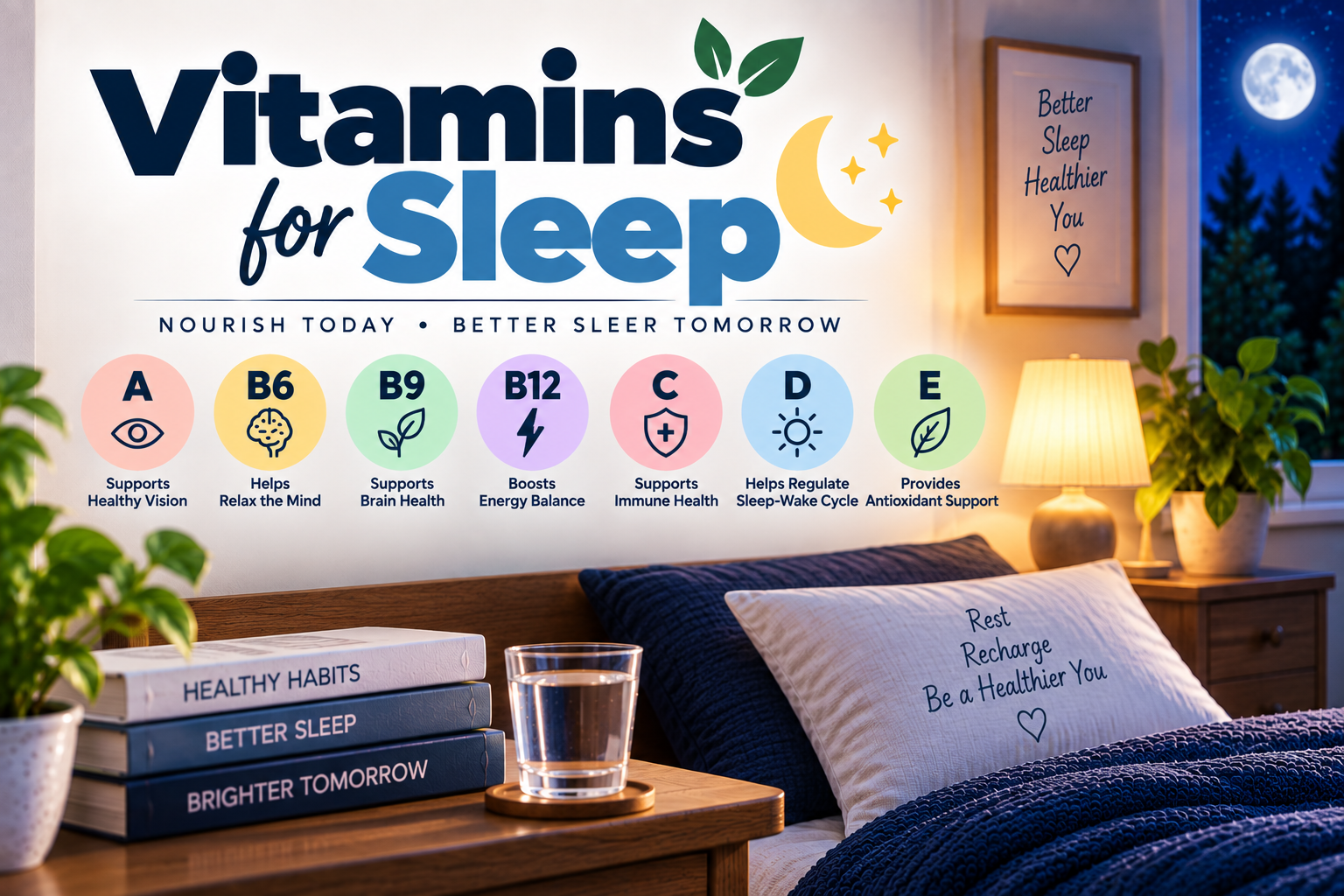
Vitamins for sleep does it help? Yes. Some vitamins support biological processes involved in sleep, but no vitamin is a universal sleep aid. Vitamin D and several B vitamins have attracted the most interest in sleep research, while evidence for other vitamins is more limited. Meeting your nutritional needs—and correcting deficiencies when they occur—is more … Read more
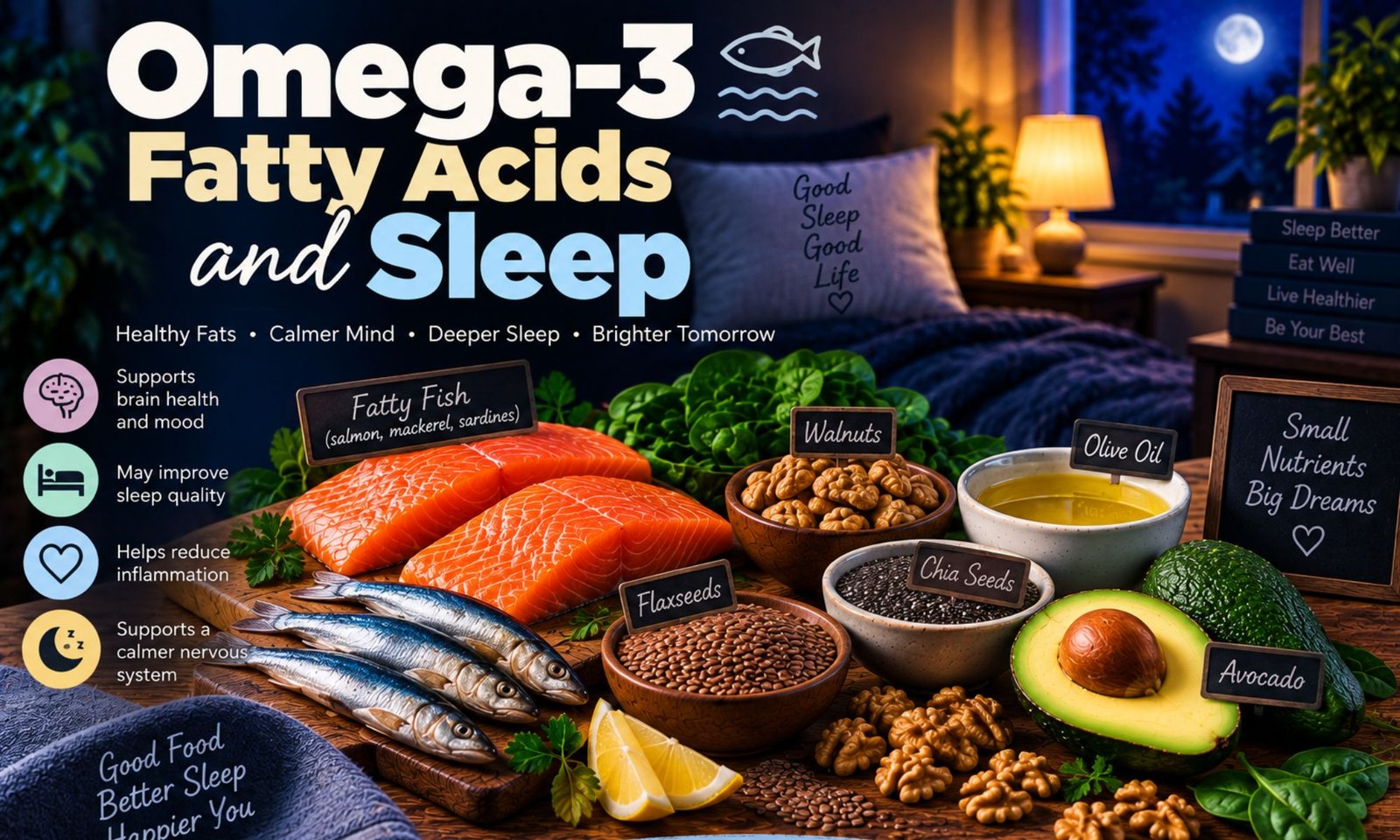
Omega-3 and sleep have been studied because these essential fatty acids play important roles in the brain, cell membranes and several biological processes linked with sleep. Research suggests that omega-3 supplementation may improve sleep efficiency and subjective sleep quality in some people, but the evidence is mixed. Effects on how quickly you fall asleep and … Read more