Vitamin E and Sleep: Can Vitamin E Help You Sleep Better?

Vitamin-E-for-Sleep

Vitamin E and sleep may be connected, but the current evidence is still limited. A randomized controlled trial in postmenopausal women with chronic insomnia found that one month of mixed-tocopherol supplementation improved self-reported sleep quality. A newer trial also found an improvement in self-reported sleep disturbance with tocotrienols, another form of vitamin E. However, these … Read more

Zinc and Sleep: What the Evidence Shows

Zinc-for-Sleep

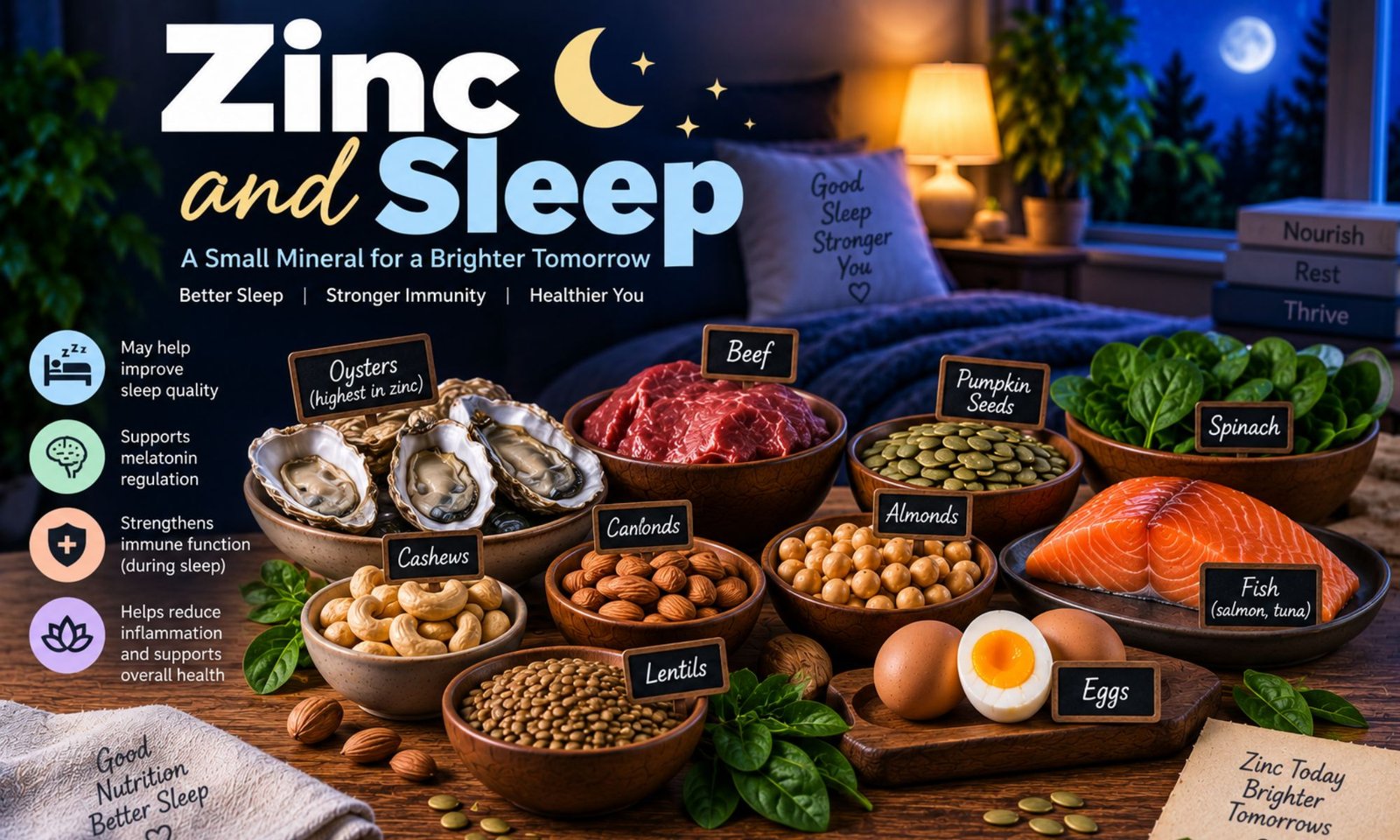
If you are looking for nutrients that may support better sleep, zinc and sleep are worth exploring. Zinc is involved in many processes in the body, including brain function, cell signaling, and normal nervous-system activity. Some studies have found a possible link between zinc status and sleep, but researchers are still trying to understand how … Read more

Vitamin A and Sleep: Can Vitamin A Help You Sleep Better?

Vitamin-A-for-Sleep

Vitamin A is essential for vision, immunity, growth, reproduction and normal cell function, but whether vitamin A can directly improve sleep is still unclear. Research suggests that vitamin A-derived retinoic acid is involved in biological pathways related to sleep and circadian regulation, including brain activity during sleep. However, most of this evidence comes from experimental … Read more

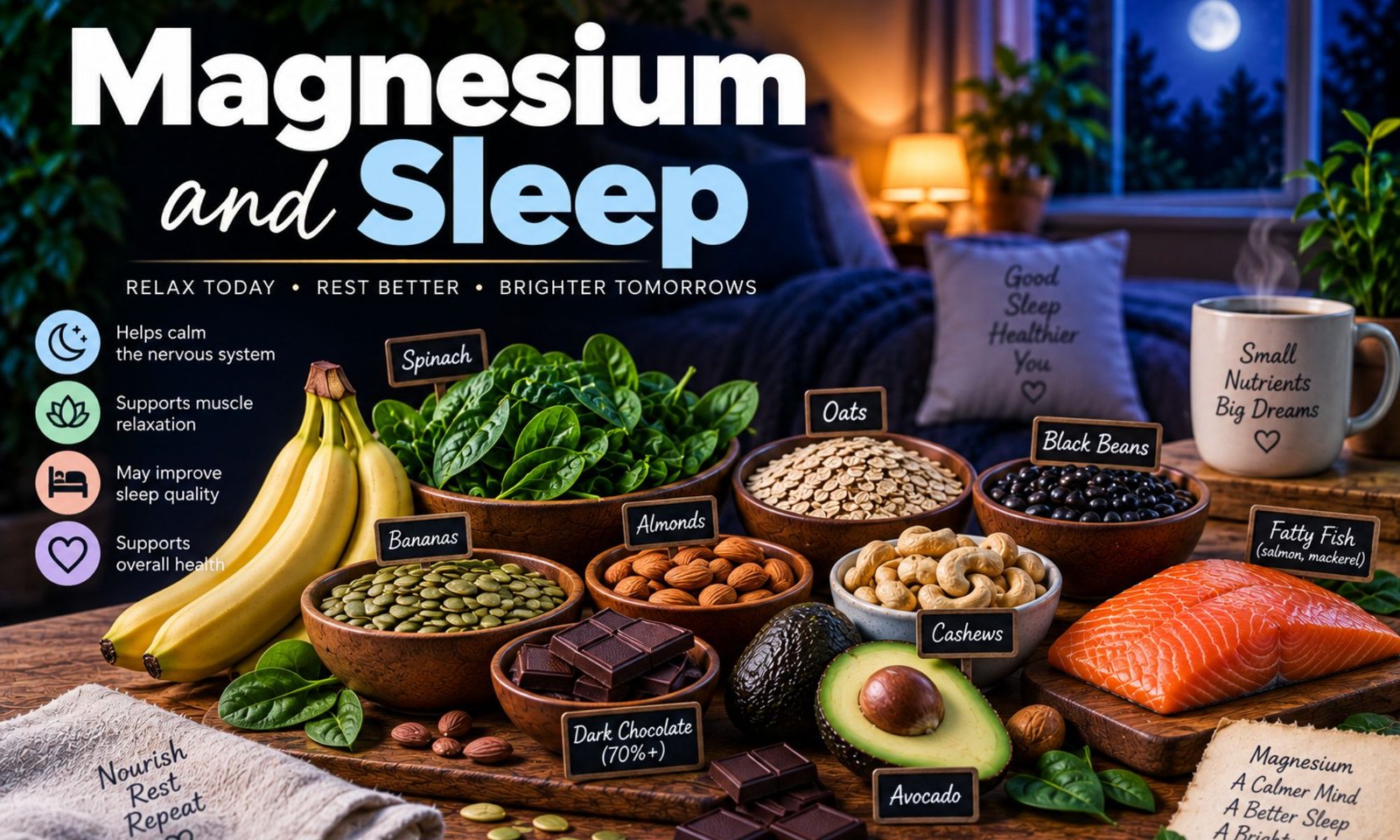
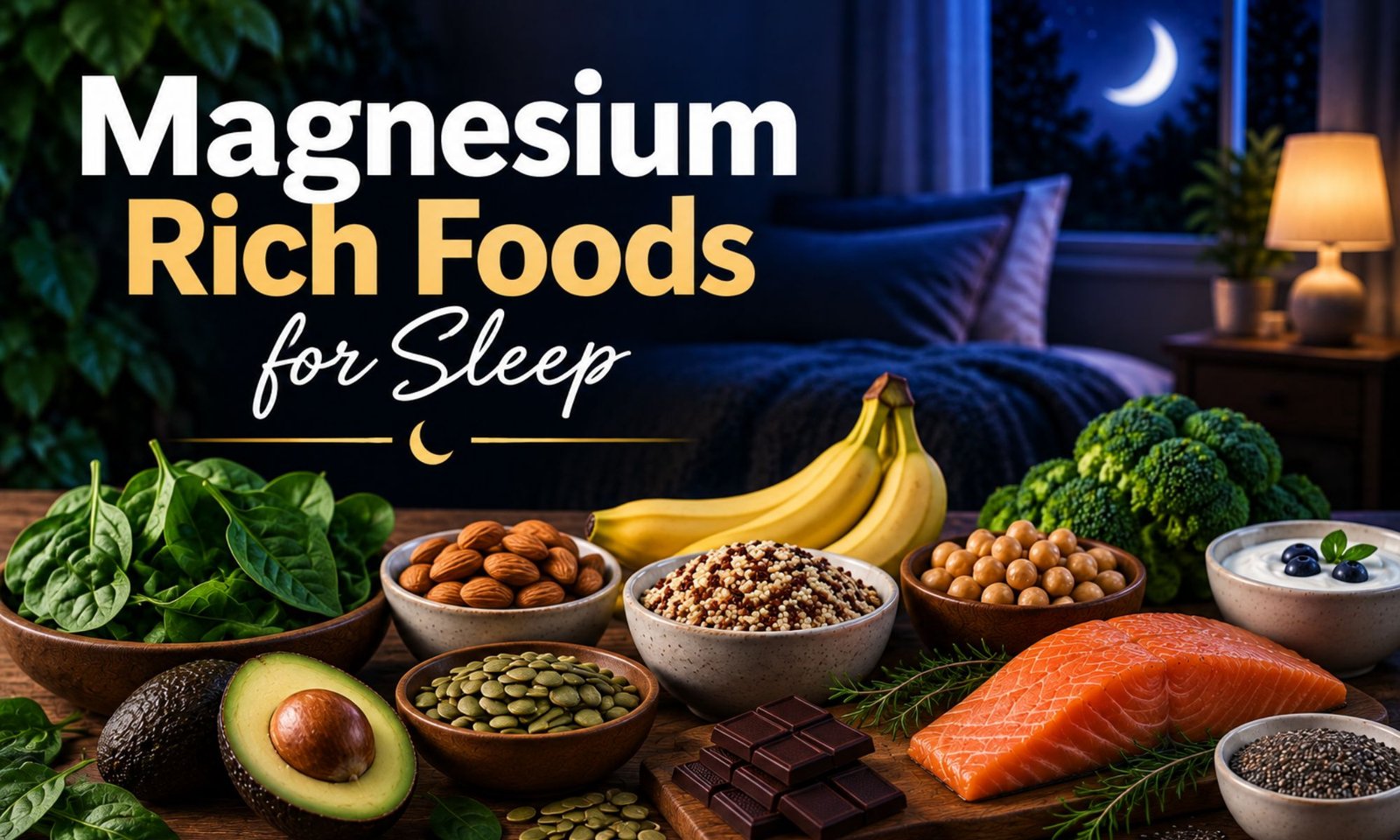
15 Magnesium Rich Foods for Sleep: Natural Sources to Add to Your Diet.

Magnesium rich foods

Magnesium rich foods can help you meet your daily magnesium needs while providing other important nutrients. Seeds, nuts, legumes, whole grains and leafy greens are among the best natural sources. Magnesium is essential for normal nerve and muscle function, but whether increasing magnesium intake directly improves sleep is still being studied. When you’re struggling with … Read more